Repairing Seams And Edges In Artificial Grass
People seeking to repair seams and edges in artificial grass can rely on local contractors who specialize in fixing and restoring these areas for a seamless, durable look.
For property owners with artificial grass, ensuring that seams and edges stay intact is essential for maintaining a clean, attractive appearance. Over time, natural wear, heavy foot traffic, or shifting ground can cause seams to split or edges to lift, leading to uneven surfaces and potential safety concerns. Addressing these issues promptly helps preserve the overall look and functionality of the landscape, making it a practical concern for homeowners and business owners alike. Those exploring solutions can find experienced local contractors who specialize in repairing seams and edges, providing expert services that restore the integrity of artificial turf efficiently and effectively.
Understanding how to repair seams and edges in artificial grass can save property owners time and money in the long run. Properly maintained seams prevent further damage and extend the lifespan of the turf, ensuring it continues to look seamless and well-kept. Many local service providers offer tailored repair solutions designed to match the existing turf, blending repairs seamlessly into the surrounding area. Whether it’s addressing small tears or more extensive edge repairs, connecting with local experts ensures the job is handled with skill and care, helping property owners keep their artificial grass looking its best.
- Seam and edge repair - homeowners noticing separation or fraying along artificial grass seams and edges can rely on local contractors to restore a smooth, secure surface.
- Seam reinforcement - when seams start to lift or split, local service providers can re-adhere and reinforce them for lasting durability.
- Edge fixing - damaged or loose edges around artificial grass installations may require professional reattachment to prevent further deterioration.
- Seam sealing - visible seams or gaps can be sealed by local pros to improve appearance and prevent debris from getting underneath.
- Edge trimming and finishing - uneven or frayed edges can be carefully trimmed and finished by local contractors to ensure a clean, professional look.
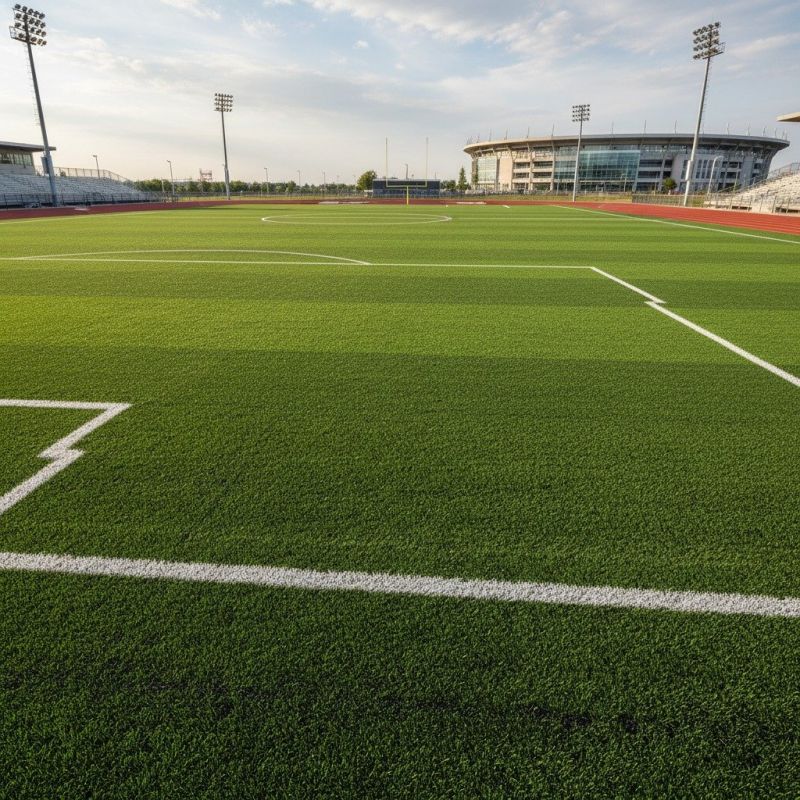
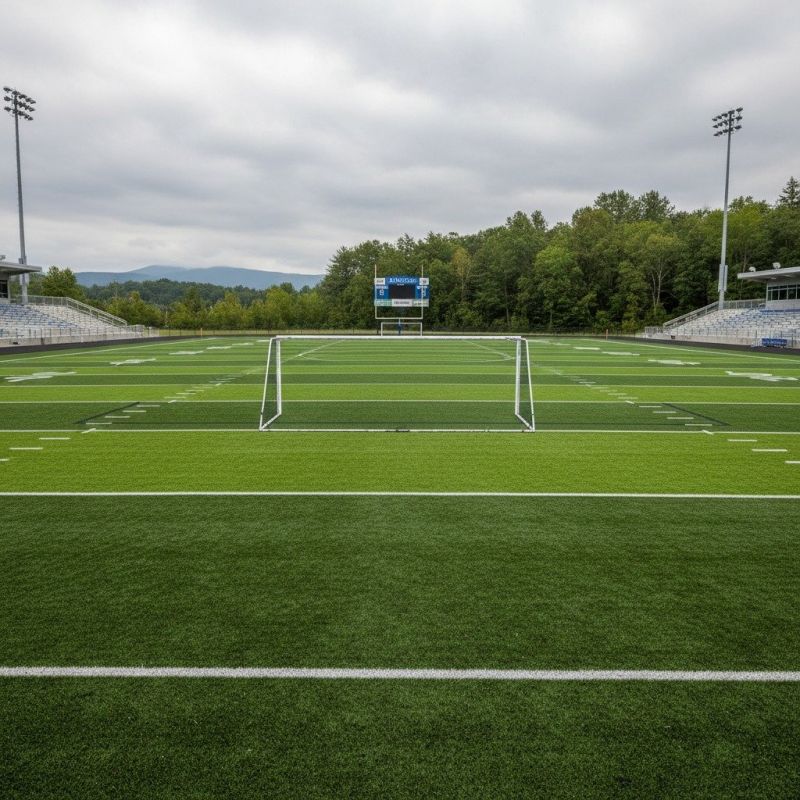
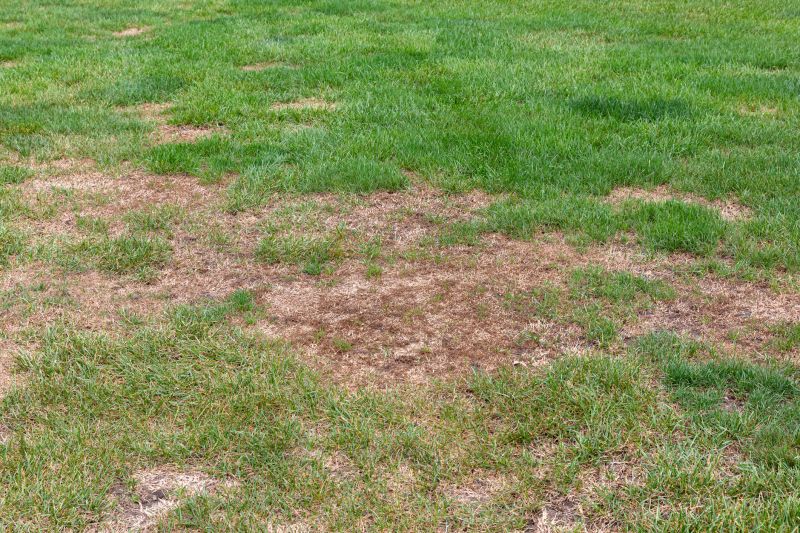
Repairing seams and edges in artificial grass is a common concern for homeowners who want their outdoor spaces to look seamless and well-maintained. When people search for this topic, they often seek solutions to fix areas where the turf has come apart or where the edges have started to lift or fray. These issues can occur over time due to foot traffic, weather conditions, or improper installation. Homeowners may also be planning to extend their existing turf or repair damage caused by pets or heavy use, making seam and edge repairs an essential part of maintaining a smooth, natural appearance.
This subject is closely related to a variety of property types, from residential yards and gardens to commercial landscapes and sports fields. In residential settings, damaged seams or edges can detract from the overall visual appeal and safety of the space. For larger properties, such as community parks or playgrounds, the integrity of seams and edges is crucial for ensuring the durability and longevity of the artificial grass. Regardless of the property size, addressing seam and edge issues promptly can help prevent further damage and extend the lifespan of the turf.
Problems associated with seams and edges in artificial grass typically involve separation, lifting, or fraying of the turf material. These issues often arise from improper installation, excessive wear, or exposure to harsh weather. Homeowners may notice loose or wrinkled seams, or edges that are curling or lifting away from the ground. Repair plans usually involve re-seaming sections of turf, reinforcing or re-gluing edges, or adding new edging materials to secure the turf in place. Local service providers specializing in artificial grass repair are equipped to evaluate the specific problem areas and recommend the most effective repair methods.
Professionals who handle repairing seams and edges in artificial grass can provide a practical solution to restore the appearance and functionality of the turf. These local contractors typically use specialized tools and adhesives to reattach loose seams and secure edges, ensuring a seamless look and preventing further damage. They can also advise on best practices to protect the turf from future seam or edge issues, such as proper installation techniques or protective edging materials. Connecting with experienced service providers ensures that repairs are performed correctly, helping property owners maintain a smooth, attractive artificial grass surface for years to come.
Turf installation services - professionals skilled in laying artificial grass often handle seam and edge repairs as part of their maintenance and repair offerings.
Landscape edging projects - experts who install and repair landscape borders have experience managing the edges of artificial turf to ensure a clean, finished look.
Synthetic turf repair - specialists focusing on synthetic turf can address seam separation and edge lifting issues to restore a seamless surface.
Outdoor surface repair - contractors working on patios, walkways, or other outdoor surfaces often have the tools and skills relevant to fixing seams and edges in artificial grass.
Drainage system installation - providers who install or repair drainage solutions are familiar with turf edges and seams to prevent water pooling and damage.
Artificial grass cleaning services - cleaning professionals may also perform minor repairs on seams and edges during routine maintenance to prolong turf lifespan.
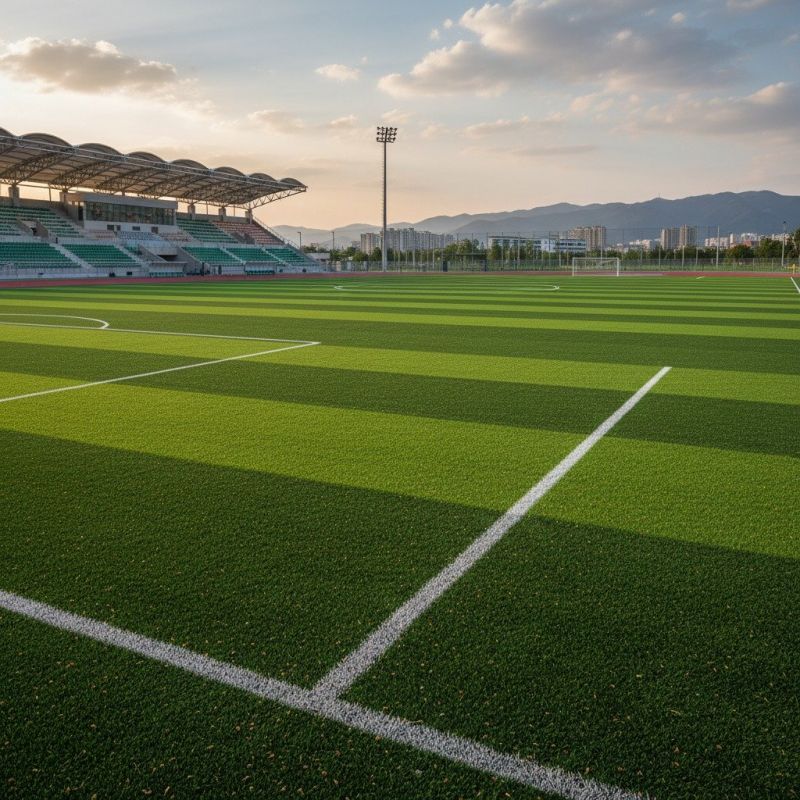
When evaluating service providers for repairing seams and edges in artificial grass, it’s important to consider their experience with similar projects. Homeowners should inquire whether the contractors have handled artificial grass repairs before, especially those involving seam reinforcement and edge restoration. A contractor’s familiarity with different types of artificial turf and repair techniques can impact the quality and durability of the work. Checking references or reviews from previous clients can provide insight into their track record and the consistency of their results, helping homeowners gauge whether a particular contractor has successfully completed projects comparable to their own.
Clear, written expectations are essential when comparing local contractors for artificial grass repair services. Homeowners should seek detailed descriptions of the scope of work, including how seams will be reinforced or edges restored, and what materials will be used. Understanding what is included in the repair process helps prevent misunderstandings and ensures that both parties are aligned on the project’s goals. A reputable contractor will be transparent about their approach and provide a thorough explanation of the steps involved, allowing homeowners to make informed decisions and set realistic expectations for the final outcome.
Effective communication and reputable references are key factors when selecting a service provider for repairing seams and edges in artificial grass. Contractors who communicate clearly and promptly demonstrate professionalism and a commitment to customer satisfaction. Additionally, obtaining references or testimonials from previous clients can offer reassurance about the quality of work and reliability of the service provider. Homeowners should feel comfortable asking questions and discussing their specific needs, ensuring that the contractor understands the project requirements and can deliver results that meet expectations. Good communication throughout the process can contribute significantly to a smooth and successful repair experience.
Property owners often search for repairing seams and edges in artificial grass when they are planning practical projects around their homes and businesses. Local pros provide Artificial Grass Repair services for everyday jobs and straightforward project options.
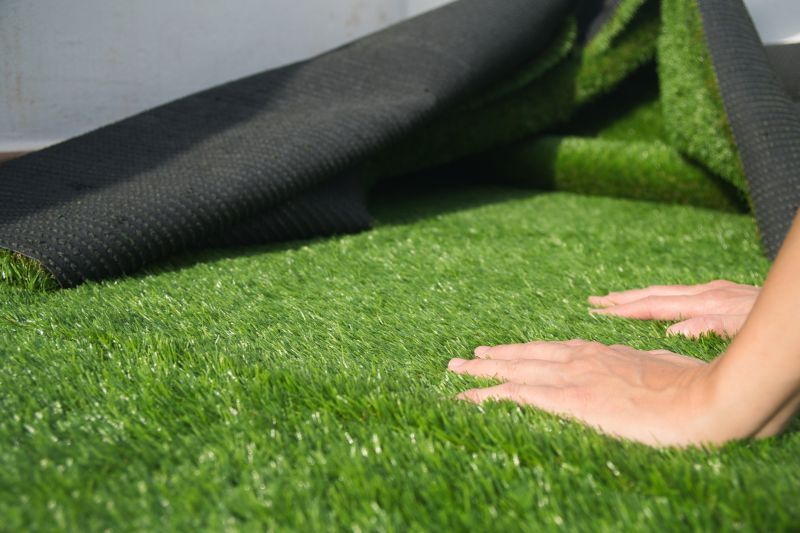
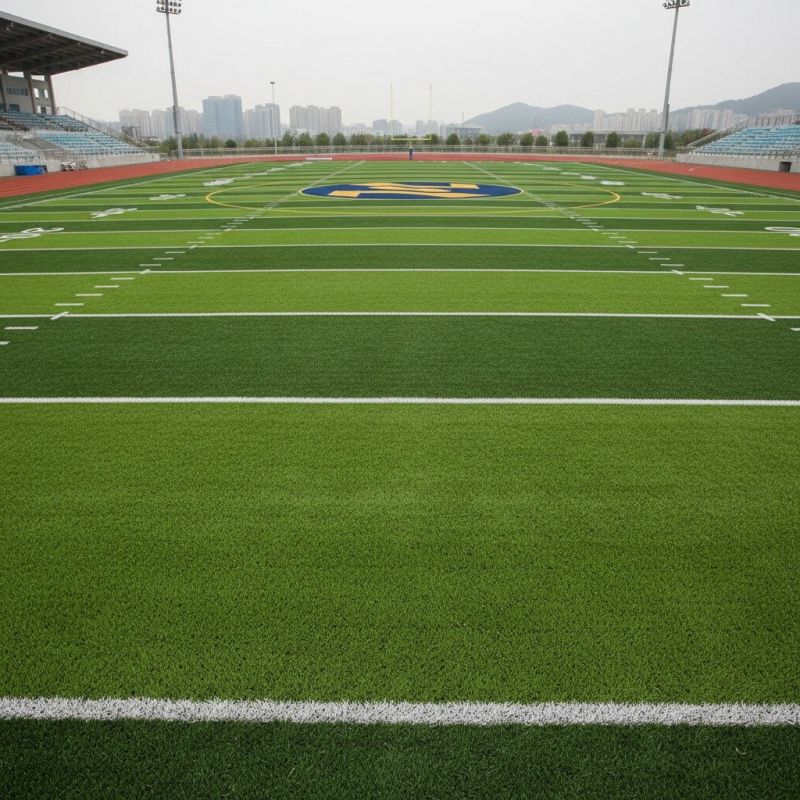
Property owners in the area often seek solutions for repairing seams and edges in artificial grass to maintain a neat and safe outdoor space. Over time, natural wear and tear, heavy foot traffic, or weather conditions can cause seams to split or edges to lift, making the surface look uneven and potentially creating tripping hazards. Many individuals look for professional services to address these issues promptly and effectively, ensuring their artificial turf remains attractive and functional for everyday use.
Local contractors specializing in artificial grass repair are equipped to handle common problems like seam separation and edge lifting. These service providers can assess the condition of the turf, recommend appropriate repair methods, and restore the surface to its original appearance. Property owners interested in prolonging the lifespan of their artificial grass often consider professional repair services as a practical way to keep their outdoor areas looking their best without the need for complete replacement.
How do professionals repair seams in artificial grass? Local contractors typically use specialized adhesives, seam tape, and heat welding techniques to securely join and repair seams in artificial grass, ensuring a smooth and durable surface.
What methods are used to fix edges in artificial turf? Edges are often repaired by re-securing the turf with edging materials, applying adhesive or seam tape, and sometimes replacing damaged sections to restore stability and appearance.
Can damaged seams in artificial grass be repaired without replacing large sections? Yes, experienced service providers can often repair seams by re-gluing or re-welding the affected areas, avoiding the need for full replacement and extending the lifespan of the turf.
What should I look for in a professional for artificial grass seam and edge repair? It’s important to choose service providers with experience in turf repair, proper tools, and a reputation for quality work to ensure seamless and long-lasting repairs.
Are there different repair techniques depending on the type of artificial grass? Yes, repair methods may vary based on the turf’s material and installation, with local contractors selecting the most suitable technique to restore seams and edges effectively.
Assessing seam and edge damage - property owners can evaluate areas where artificial grass begins to lift or fray, identifying spots that need professional repair services.
Preparing the area for repair - clearing debris and securing loose edges helps ensure a smooth process when local contractors begin fixing seams and edges.
Selecting appropriate repair materials - understanding the types of adhesive or seam tape used can guide property owners in discussing the best options with service providers.
Maintaining the integrity of seams and edges - regular inspections and prompt attention to small tears can prevent more extensive damage, with local pros providing ongoing repair solutions.
If you are thinking about repairing seams and edges in artificial grass for a property, this guide is meant to help you understand this topic, the typical project types, and how different options might fit your plans.
When you are ready, you can use the quote form on this page to share a few details about your project. From there, local pros can review the basics and follow up with options that match what you have in mind.