Signs Your Artificial Grass Needs Repair
If you notice signs your artificial grass needs repair, local contractors can assess and restore your turf to ensure it looks and functions like new.
If you’ve noticed uneven patches, faded areas, or visible seams in your artificial grass, these could be signs your artificial grass needs repair. Property owners in the area often explore this topic to maintain a safe, attractive outdoor space that stands up to regular use and weather conditions. Over time, wear and tear can compromise the appearance and functionality of synthetic turf, making repairs necessary to restore its original look and performance. Understanding these signs helps homeowners and business owners decide when professional assistance might be needed to keep their outdoor areas looking their best.
Local contractors who specialize in artificial turf repair are equipped to handle issues like matting, loose seams, or damaged infill, ensuring the surface remains smooth and secure. By recognizing early indicators of damage, property owners can prevent further deterioration and prolong the lifespan of their investment. Keep reading to learn more about common signs that your artificial grass needs attention and how experienced service providers can help restore its condition efficiently and effectively.
- Artificial turf repair - when signs of uneven surfaces or loose seams appear, local contractors can assess and restore the integrity of the grass.
- Damage from heavy foot traffic or pet activity - when bald spots or worn patches develop, service providers can perform targeted repairs to extend the turf's lifespan.
- Fading or discoloration - if artificial grass loses its vibrant appearance, local pros can evaluate the cause and recommend appropriate fixes or replacements.
- Pet damage or staining - signs of persistent pet odors or stained areas may require specialized cleaning or patching by experienced repair specialists.
- Infrared or heat-related issues - when the turf shows signs of melting or warping, local contractors can inspect and repair underlying problems to prevent further damage.
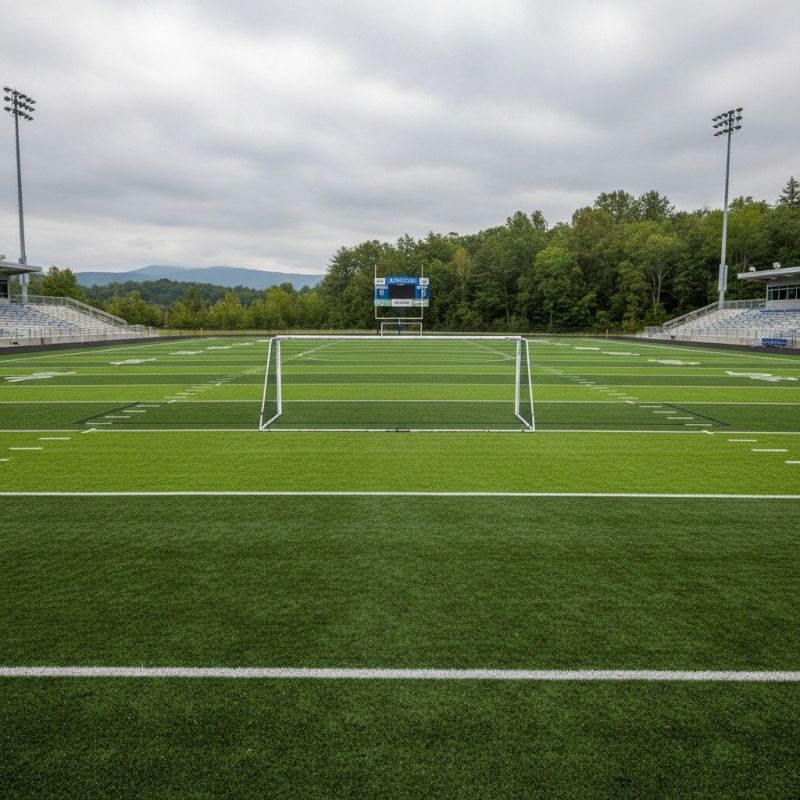
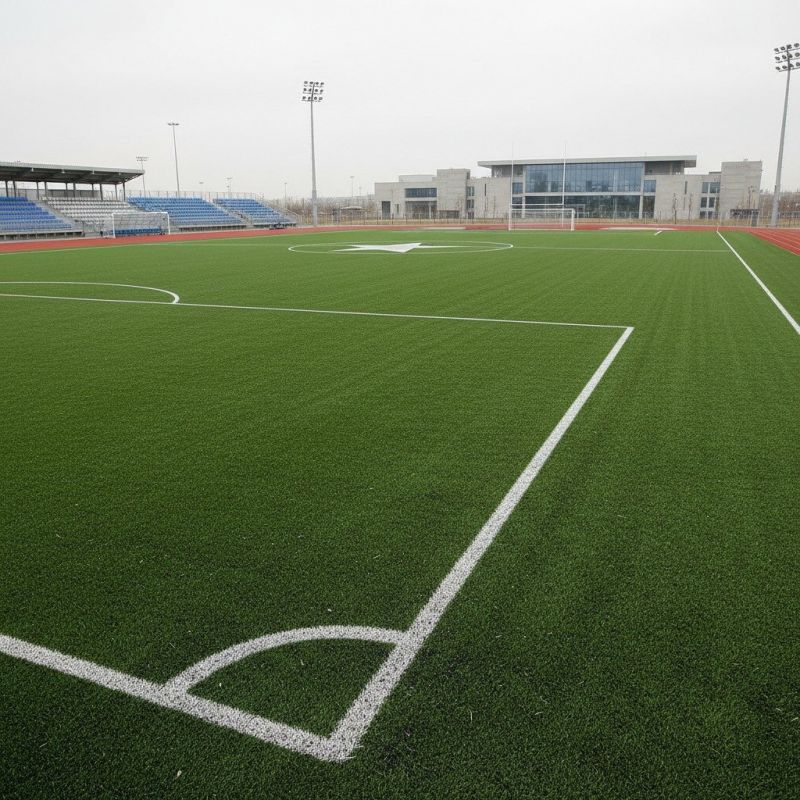
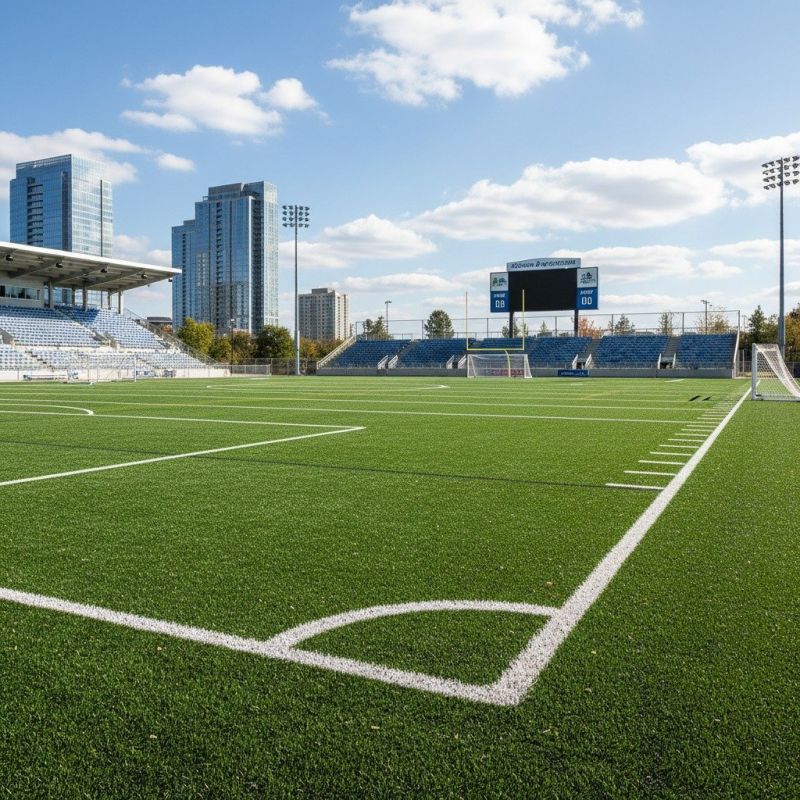
When homeowners search for signs your artificial grass needs repair, they are typically looking for visual cues or performance issues that indicate the turf has sustained damage or is no longer functioning as intended. Over time, artificial grass can develop problems such as uneven surfaces, bald patches, or visible seams where sections have come apart. These signs often appear after prolonged use or exposure to weather elements, prompting property owners to consider repairs to restore the turf’s appearance and safety. Recognizing these early indicators can help prevent further deterioration and ensure the artificial grass continues to serve its purpose effectively.
Many of the problems associated with artificial grass relate to wear and tear, improper installation, or environmental factors. For instance, heavy foot traffic or pet activity can cause flattening, matting, or bald spots that compromise the surface’s uniformity. Damage from UV exposure or temperature fluctuations may lead to fading, cracking, or curling at the edges. Additionally, issues like loose seams, lifted edges, or drainage problems often signal that repairs are needed to maintain the turf’s integrity. Understanding these common issues helps property owners plan for timely repairs, which can extend the lifespan of the artificial grass and improve its overall appearance.
The types of properties that frequently encounter these issues include residential yards, commercial landscapes, sports fields, and community parks. In homes, artificial turf is often used for lawns, patios, or play areas, making it susceptible to damage from pets, children, or outdoor furniture. Commercial properties, such as office complexes or retail centers, rely on well-maintained turf to enhance curb appeal and safety, so signs of damage can be particularly noticeable. Sports facilities and recreational fields also experience high levels of activity that can lead to uneven surfaces or tears. For property owners in these settings, connecting with experienced service providers ensures that repairs are handled efficiently, restoring the turf’s functionality and appearance.
Overall, recognizing signs your artificial grass needs repair is essential for maintaining a safe, attractive, and durable surface. Local contractors specializing in artificial turf repair are equipped to assess damage, identify underlying issues, and perform necessary fixes. Whether it’s patching bald spots, reseaming seams, or addressing drainage concerns, these professionals play a vital role in helping property owners keep their artificial grass in top condition. Proper repairs not only improve the visual appeal but also help prevent more costly problems in the future, making timely intervention a practical choice for any property with synthetic turf.
Landscape Design Projects - Planning and installing new landscaping features often involves working with synthetic surfaces, requiring similar skills in site preparation and material placement as artificial turf repair.
Drainage System Installations - Proper drainage is essential for maintaining artificial grass, and local contractors experienced in drainage solutions can address issues that cause turf damage or uneven surfaces.
Patio and Deck Construction - Building or repairing patios and decks involves surface leveling and foundation work that align with the skills needed for fixing uneven or damaged artificial turf.
Playground Surface Installations - Installing safe, durable surfaces for playgrounds shares techniques with turf repair, especially in managing surface stability and material integrity.
Soil Preparation and Grading - Ensuring a level and stable base for various outdoor surfaces requires planning and tools similar to those used in artificial grass repair projects.
Synthetic Surface Maintenance - Maintaining sports courts or other synthetic surfaces involves identifying wear and tear, paralleling the process of diagnosing signs your artificial grass needs repair.
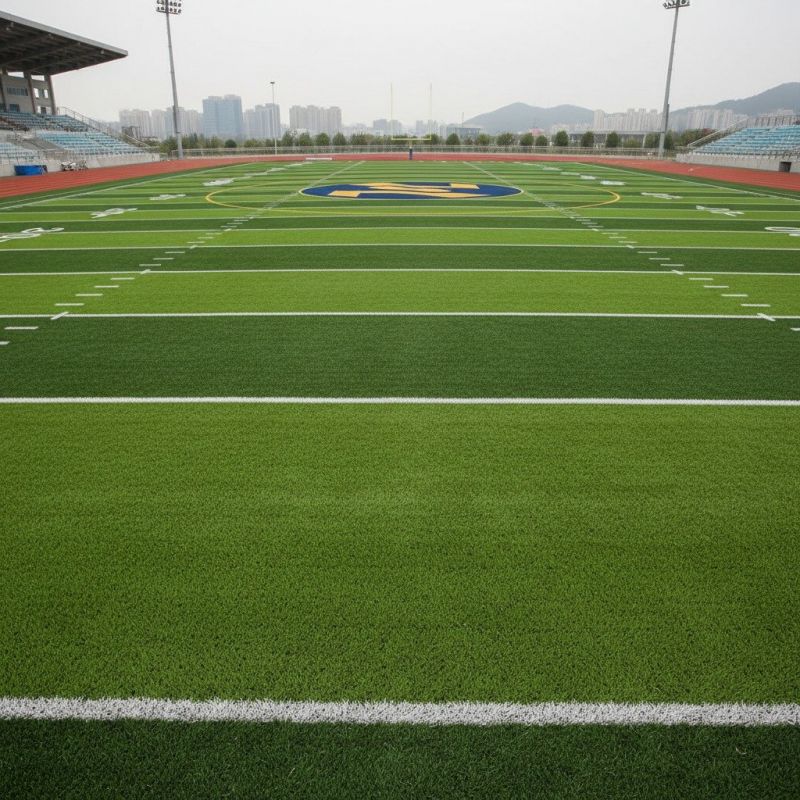
When comparing service providers for artificial turf repair, it’s important to consider their experience with similar projects. Homeowners should look for local contractors who have a proven track record of handling repairs specific to artificial grass, such as fixing uneven surfaces, replacing damaged sections, or addressing drainage issues. An experienced professional will better understand common signs that indicate repair is needed and will be equipped with the knowledge to assess the condition of the turf accurately. This familiarity can help ensure that the repair work is performed correctly and efficiently, minimizing the risk of recurring problems down the line.
Clear, written expectations are essential when evaluating potential service providers. Homeowners should seek contractors who provide detailed estimates that outline the scope of work, materials to be used, and the steps involved in the repair process. Having a comprehensive understanding of what will be done helps prevent misunderstandings and ensures that both parties are aligned on project goals. Reputable local contractors are typically transparent about their processes and willing to communicate openly about what repairs are necessary based on the signs of damage or wear they observe.
Good communication and reputable references are key factors when selecting a turf repair specialist. Homeowners can benefit from checking reviews or asking for references to gauge the reliability and quality of previous work. Service providers who communicate clearly and promptly are often more responsive to questions and concerns, making the repair process smoother. Ensuring that the contractor has positive feedback from past clients can provide confidence that they are capable of addressing signs your artificial grass needs repair effectively, and that they will handle the project professionally from start to finish.
Property owners often search for signs your artificial grass needs repair when they are planning practical projects around their homes and businesses. Local pros provide Artificial Turf Repair services for everyday jobs and straightforward project options.
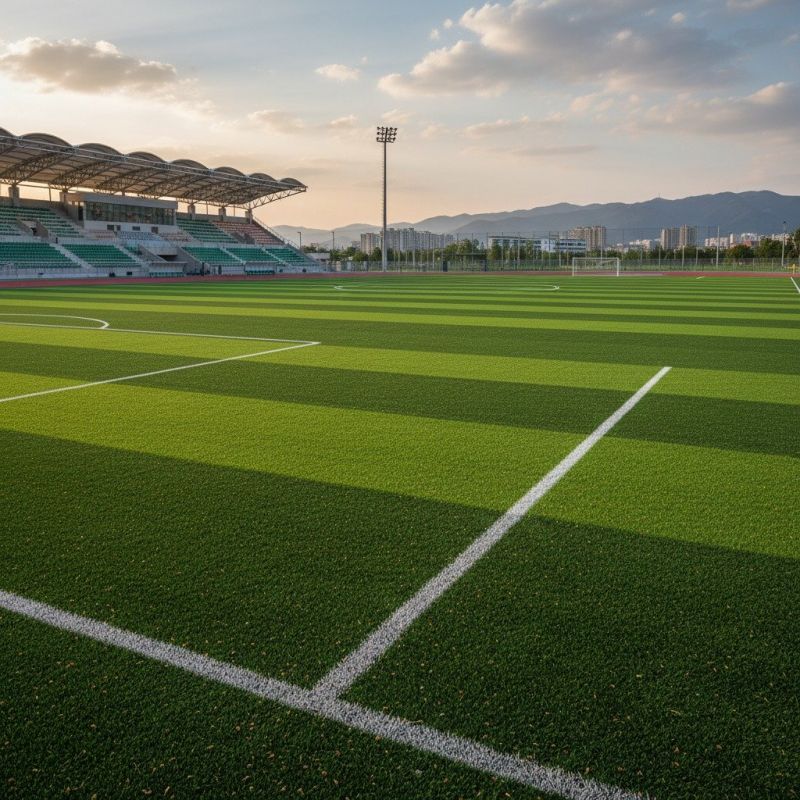
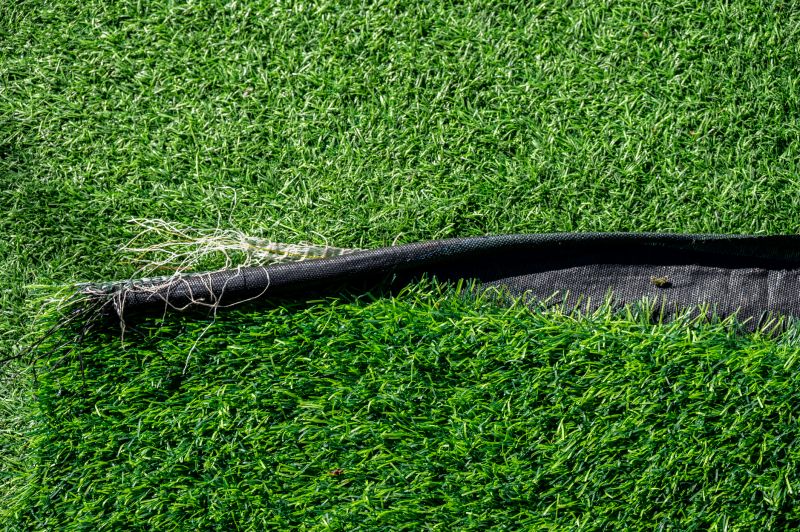
Signs your artificial grass needs repair can often be noticed during routine maintenance or daily use. For example, areas that appear flattened or matted may indicate heavy foot traffic or inadequate infill, leading to uneven surfaces. Additionally, if sections of turf are lifting, curling at the edges, or showing signs of tearing, these are common indicators that repairs might be needed to restore a smooth and safe playing or lounging surface.
Property owners in the area might also observe discoloration or fading in certain patches, which can result from prolonged exposure to sunlight or harsh weather conditions. Over time, seams can become visible or start to separate, and infill materials may shift or become sparse, compromising the turf’s appearance and stability. In such cases, experienced service providers can offer artificial turf repair solutions to address these issues and help maintain a durable, attractive outdoor space.
How can I tell if my artificial grass has uneven patches? If you notice areas where the turf appears lumpy or develops noticeable dips, it may indicate that sections need repair from local contractors who specialize in turf leveling and fixing uneven surfaces.
What signs suggest that the infill material is worn out or missing? When the surface feels unusually soft, or you see bare spots with exposed backing, it could mean the infill has degraded or been displaced, prompting the need for professional repair services.
How do I recognize if the turf fibers are damaged or frayed? Visible tears, fraying, or bald patches on the artificial grass are signs that the turf fibers are compromised and require repair from experienced service providers.
What indicates that the seams or edges of the artificial grass are coming apart? If seams are lifting or edges are curling, it suggests that the turf needs repair to prevent further damage, which local contractors can address effectively.
When should I consider repairing my artificial grass due to drainage issues? If water pools on the surface or drains slowly, it may be a sign of underlying damage or blockages that a professional repair service can resolve to restore proper drainage.
Visible bald patches - Spotting areas where the artificial grass has worn thin or is missing fibers can indicate the need for repair services from local contractors.
Uneven surface or sinking spots - Noticing dips or uneven sections in the turf suggests underlying issues that local pros can address through leveling or reinforcement.
Cracks or tears in the turf - Detecting damage such as rips or splits can be a sign to seek repair from service providers experienced in turf restoration.
Unusual odors or mold growth - Experiencing foul smells or mold may point to moisture problems, which local contractors can resolve with proper cleaning and repairs.
If you are thinking about signs your artificial grass needs repair for a property, this guide is meant to help you understand this topic, the typical project types, and how different options might fit your plans.
When you are ready, you can use the quote form on this page to share a few details about your project. From there, local pros can review the basics and follow up with options that match what you have in mind.